I transformed over 80,000 images of my iCloud archive into an exhibition in London
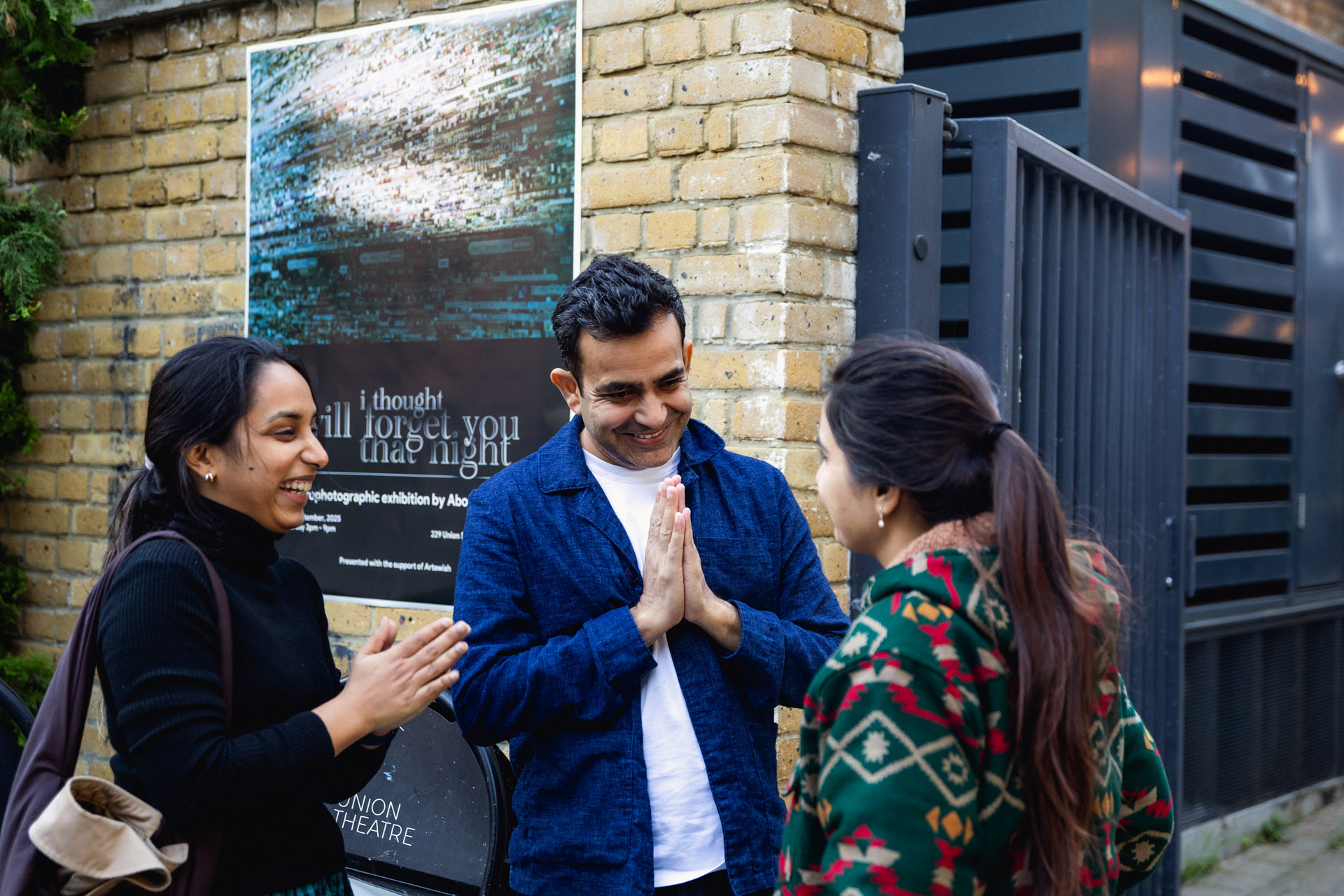
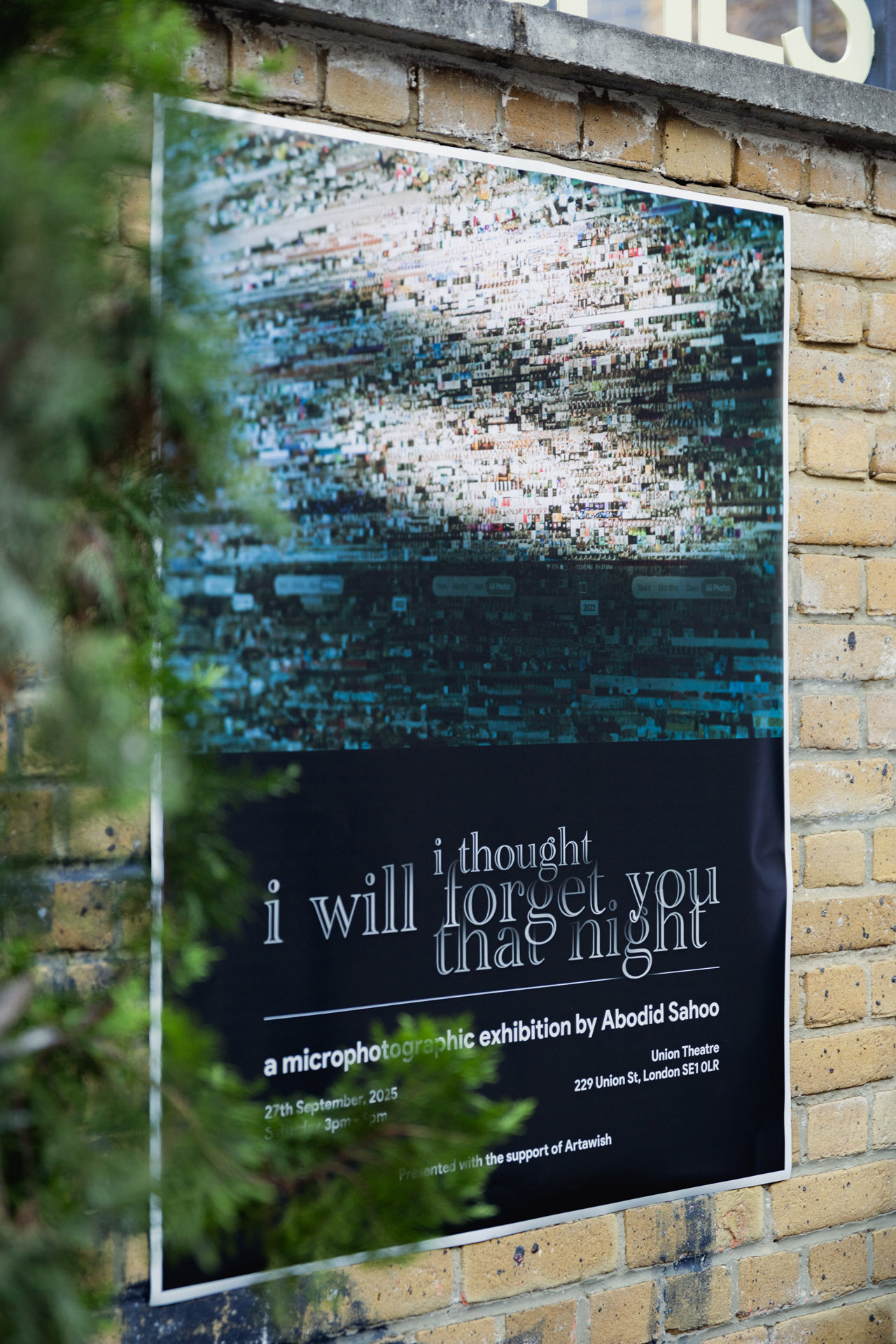
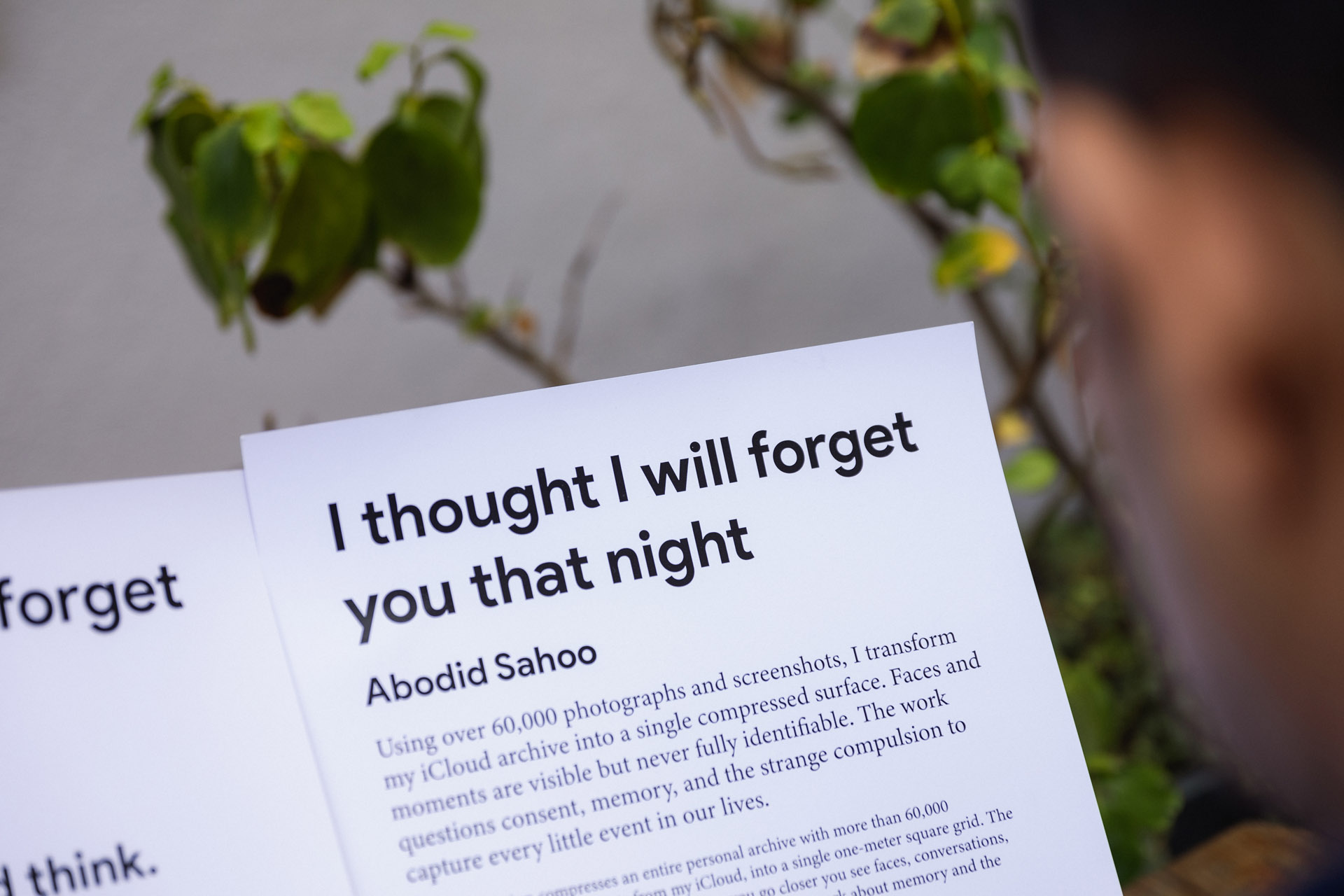
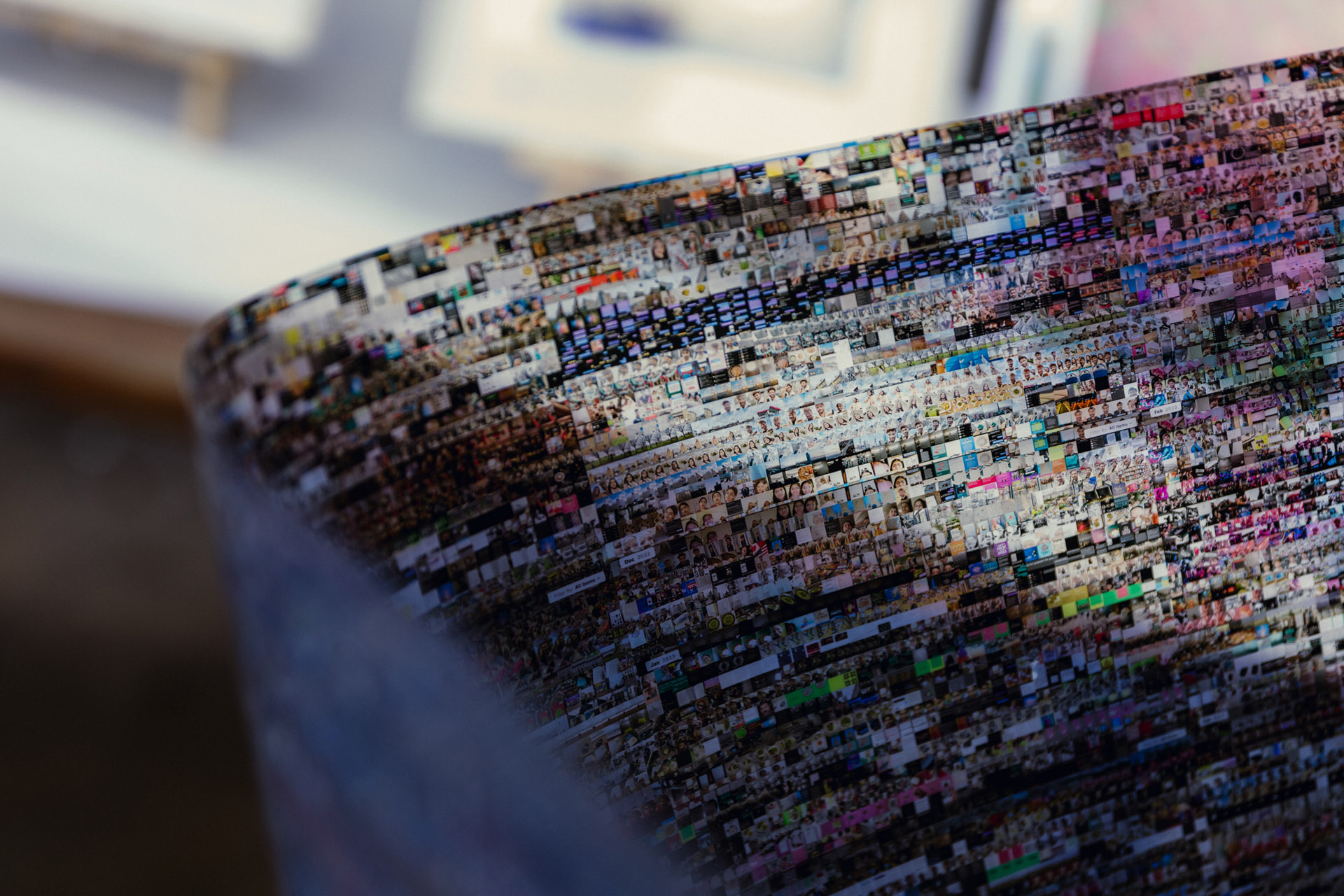
This installation compresses an entire personal archive with more than 80,000 photographs and screenshots from my iCloud, into a single one-meter square grid. Faces and moments are visible but never fully identifiable. The work questions consent, memory, and the strange compulsion to capture every little event in our lives.
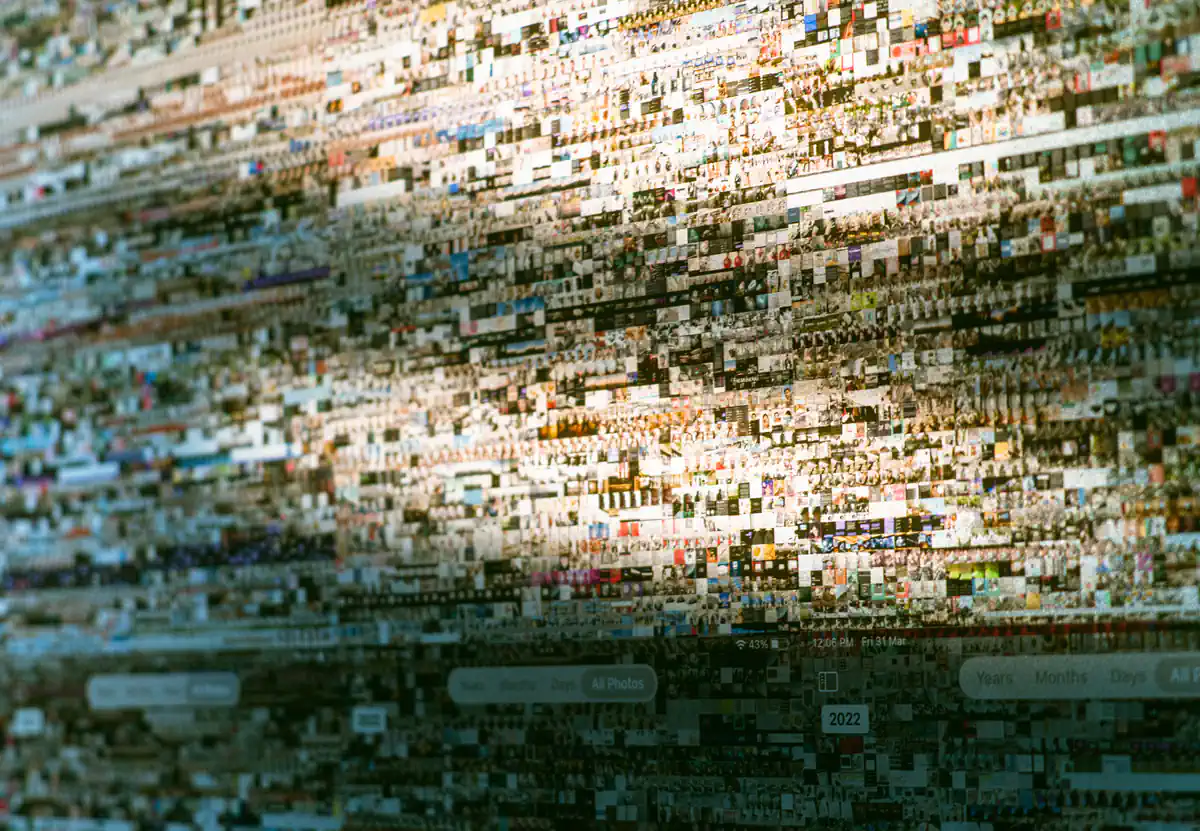
The surface looks like noise from afar, but as you go closer, you see faces, conversations, and moments in my life that I felt like capturing. It is a work about memory and the futility of capturing everything.
The project began in November 2021, when a love story ended before it could even begin. With the pain I could feel in my heart, I started taking screenshots of our past conversations obsessively; 3000 images in that one night, as if archiving could preserve what was already gone. That impulse grew into a habit, then into an obsession.
Every image became an obituary. As if I could see the death that was approaching someday soon, I would try to hold on to whatever memory I could through the photographs. But maybe I was wrong. When I try to recall these images, I realise I can recall only a handful of them. The rest is simply noise. In South Asia, photographs were once rare, carefully chosen, and kept in family albums.
In China, images are now part of the invisible economy of AI and surveillance. Across Asia and beyond, memory is no longer curated; it is automated, uploaded, and endlessly stored. We are archivists of everything and owners of nothing. The cloud preserves, but it also consumes.
This piece reflects on the ecological, ethical, and emotional weight of this excess: what happens when photography shifts from memory to data?
What remains when the archive becomes too large to remember?
Learnings This exhibition opened a doorway to my personal archives. I never really thought my own memories and experiences could become part of an exhibition.
It took courage and made me think a lot about consent and how comfortable I was sharing something so personal. I often wondered how much I reveal in the images so that it does not violate privacy.
I also realised that inspiration doesn’t always have to come from somewhere grand. It can be something very simple and personal.