If Siri Finally Becomes a Good Listener, The Future Is Bright
A reflection on Apple Intelligence, Siri's promised personal context, on-screen awareness, App Intents, privacy, and why voice could become the most natural interface between intention and action.
I have been waiting for Siri to change for a long time. Not just because I wanted a better voice assistant, but because I have always felt there was something unfinished about Siri. It was there on the device. It was always listening for a command. But somehow it never really felt like it understood the life around the command.
For years, Siri could hear words, but it could not follow the situation. It could answer something simple, set a timer, call someone, maybe play a song. But it could not move with me across the way I actually think, work, search, remember, message, edit, and plan. That is where the gap always was. It was not just about intelligence. It was about context.
This is why the new Siri direction from WWDC felt different to me. I did not see it as just another Apple feature or another AI announcement. I saw it as someone who has been waiting for the device itself to become more aware, more personal, more useful, and more willing to understand what is happening across apps, across the screen, and across the messy flow of daily life.
I say this as someone who is an extremely avid user of Wispr Flow. I use voice a lot. I think through voice. I write through voice.
When Wispr Flow came out, it felt like home because it started catching up with the way my brain thinks. Fast, messy, sometimes emotional, often jumping between thoughts before they become polished sentences.
That is why I care so much about Siri. Voice is not just a feature for me. Voice is becoming an interface. It is the fastest way to move from thought to action when the system is intelligent enough to understand the context behind what I am saying.
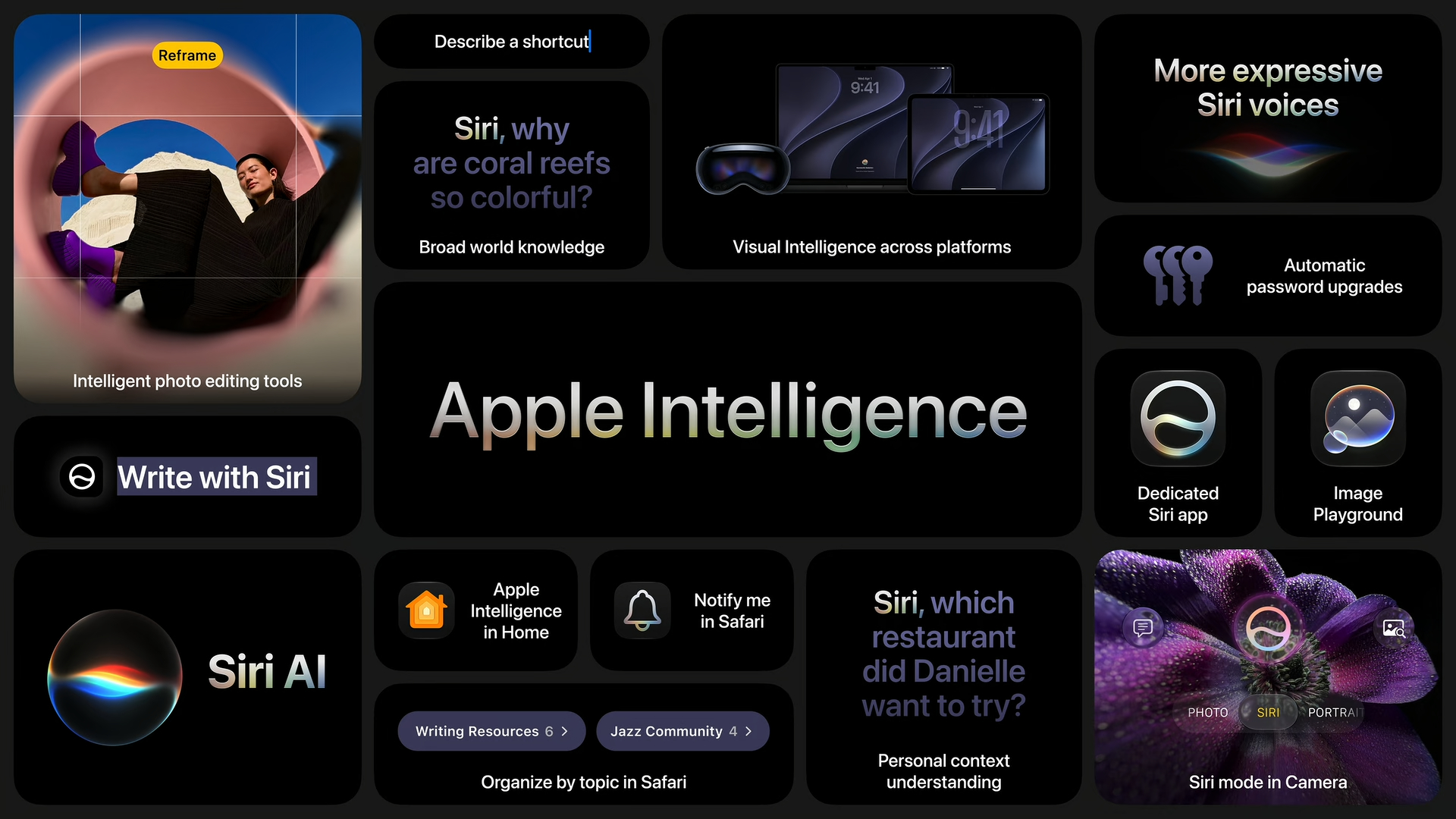
Apple is now talking about Apple Intelligence with personal context, on-screen awareness, and app actions across iPhone, iPad, Mac, Apple Watch, and Vision Pro.
https://developer.apple.com/apple-intelligence/
That matters because Apple is not just another AI company sitting inside a browser tab. Apple controls the device layer. It controls the phone, the laptop, the watch, the camera, the operating system, the notifications, the app permissions, the screen, the keyboard, the files, the photos, and the everyday interface through which so many of us touch the digital world.
So when Siri becomes smarter, it is not the same as another chatbot becoming smarter. A chatbot waits inside one window. Siri, if Apple gets it right, can live across the device. It can become the layer between intention and action. That is what makes this update so interesting to me.
The most exciting part is not that Siri may answer questions better. I already have tools that answer questions. The exciting part is that Siri may start understanding what I mean inside the specific situation I am already in. If I am looking at a message, it should know which message. If I am looking at a photo, it should understand that image. If I am inside an app, it should know what actions are possible there.
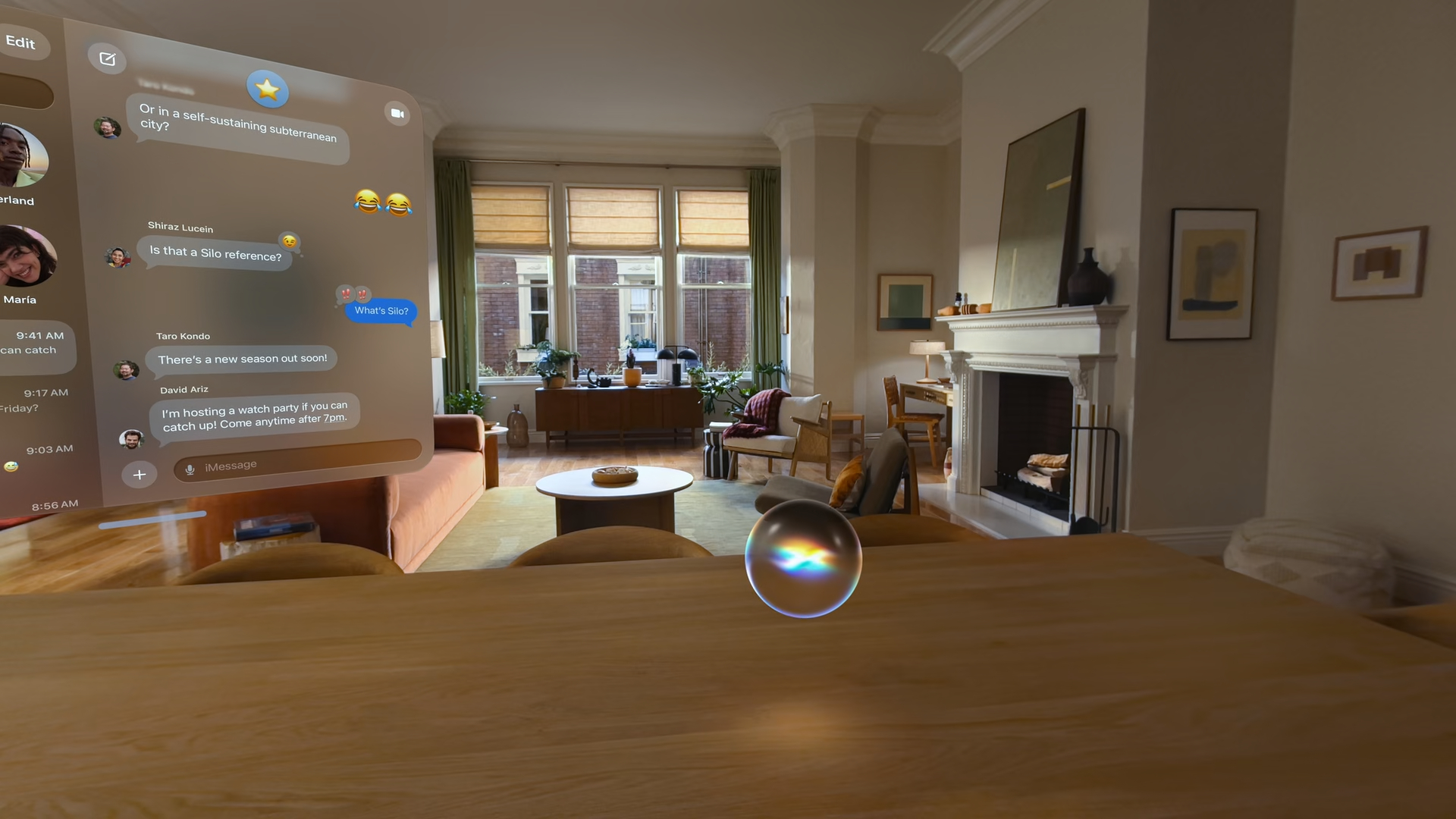
That is the real change. The assistant should not force me to restart the whole context every time I speak. It should not make me describe the obvious thing already sitting in front of me on the screen. The device should understand the moment.
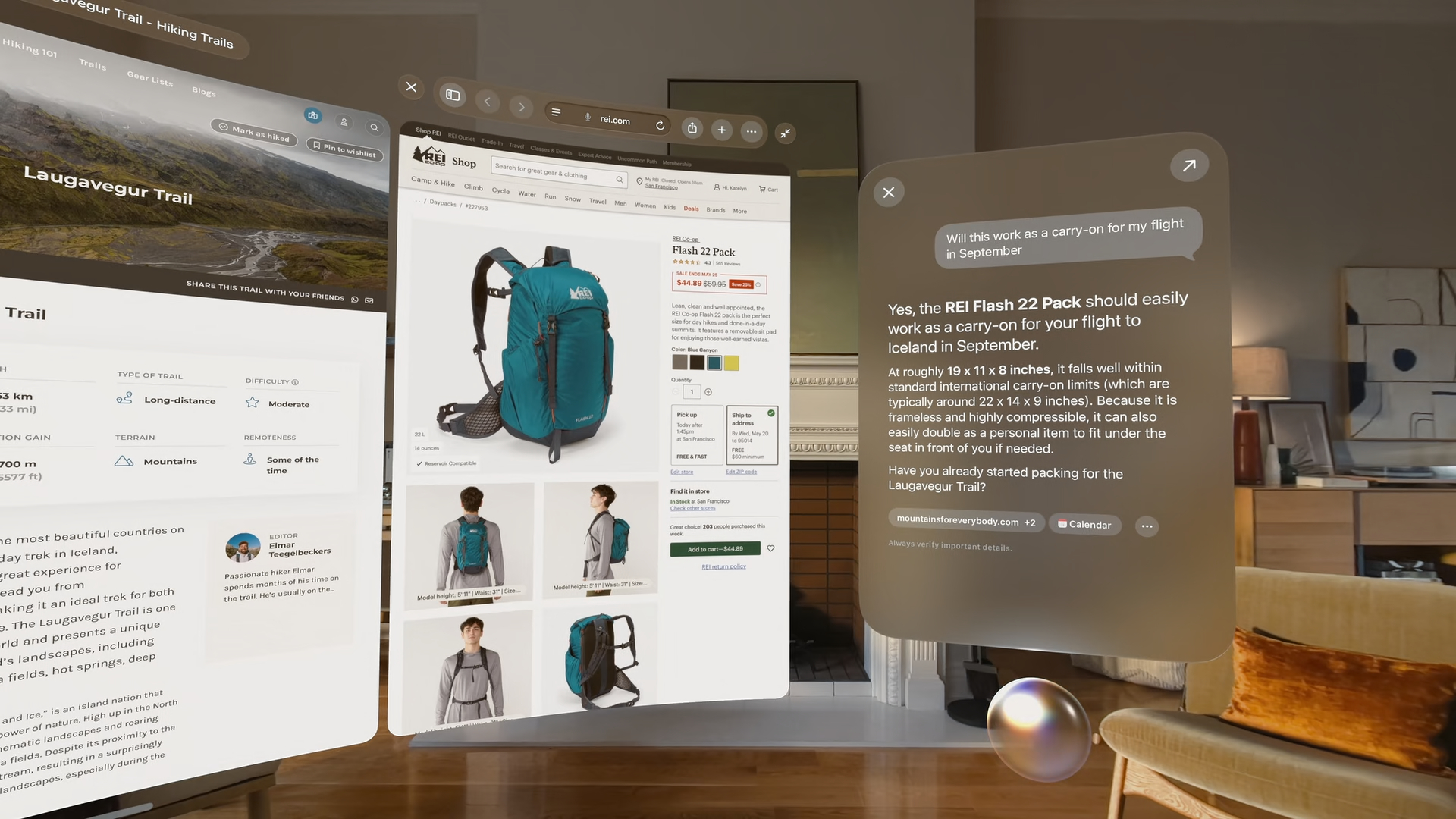
The new Siri’s personal context is the part that caught my breath. The idea that it can understand emails, messages, files, photos, and what is already on the screen is not a small improvement. It is the connective tissue that makes a voice assistant feel like a real assistant.
https://www.macrumors.com/guide/wwdc-2026-what-to-expect/
Apple’s App Intents framework is also important here, because this is where the future becomes more practical. If third-party apps expose their actions properly, Siri can become more than an Apple-only assistant. It can become a bridge between apps.
https://developer.apple.com/documentation/appintents
This is the part I am very curious about. Will Siri be able to control only Apple apps beautifully, or will it be able to work across the messy reality of my actual digital life?
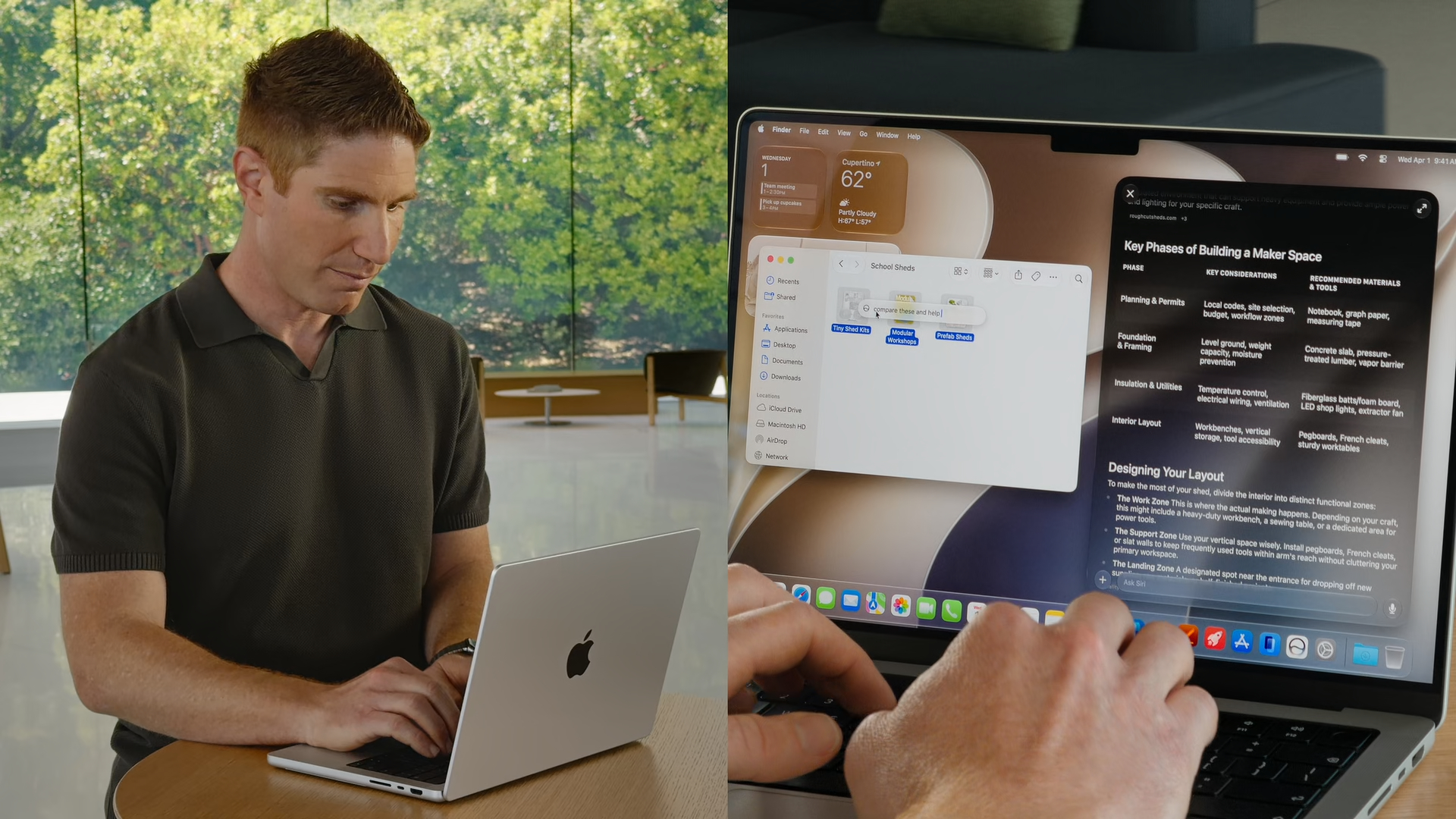
Because my life is not only inside iMessage and Apple Music. My life is also inside WhatsApp, Spotify, Google Maps, Instagram, Notion, Gmail, Calendar, Photos, and sometimes even very niche creative tools.
In the demo, I saw messages in iMessage and music being played in Apple’s own music player. That makes sense for a keynote. Apple will always demo the cleanest version of its own ecosystem. But the real test is different. The real test is WhatsApp. The real test is Spotify. The real test is whether Siri can understand my intent across multiple third-party apps without making me feel that my privacy has been casually traded for convenience.
I keep imagining one very simple scenario. I am in my car, and I tell Siri: “Check out the local music bands near me. Tell me if any of them have a concert soon. Add three songs from those bands to my Spotify playlist. Play them in the car. Then show me the timing, location, and distance to the best possible show happening near me.”
That is the kind of prompt that feels human to me. It is not just a search. It is not just music. It is not just maps. It is a small desire that moves across many systems. I want to discover something local, listen to it, understand if it is happening near me, and then decide whether I can go.
This is where Siri should go. Not just answering. Doing. But doing it in a way that understands the sequence of life rather than forcing me to break my life into ten separate app-specific commands.
This is also why I do not think of this Siri update as a normal tech update. It is more about whether the device can finally become aware of the way people actually move through digital life. We do not live in one app at a time. We move between messages, maps, photos, notes, screenshots, payments, calendars, music, documents, and half-finished thoughts.
A truly useful assistant has to understand that movement. It has to understand the jump between a message from someone, a photo I took yesterday, a PDF I forgot to read, a calendar invite I need to move, and a song I suddenly want to play because it reminds me of something.
That is where voice becomes powerful. The best voice interface is not one where I have to speak like a robot. The best voice interface is one where I can speak like myself and the system still understands what I mean.
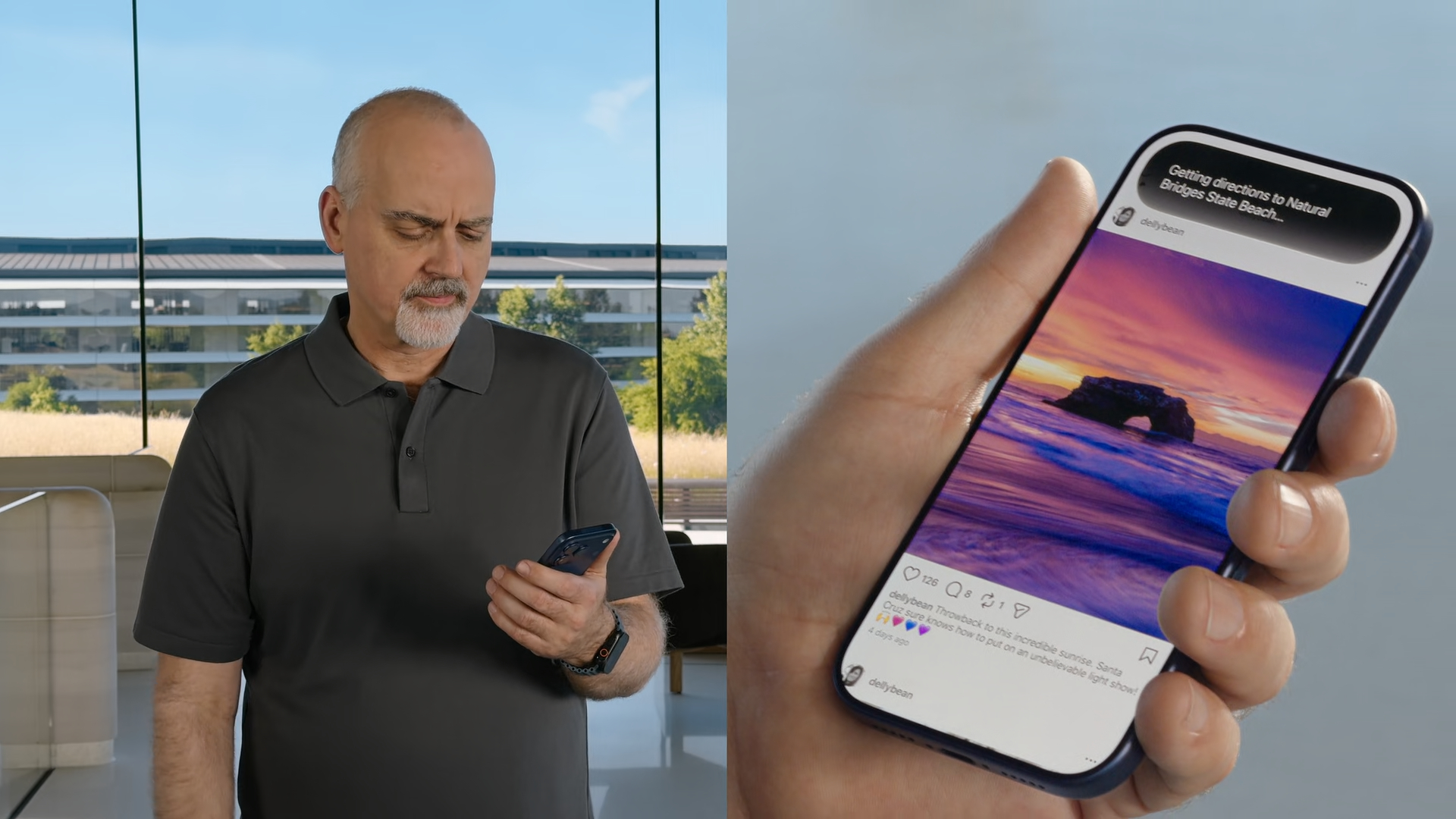
This is also why the on-screen awareness part matters so much. If Siri can understand what I am looking at, then the screen itself becomes part of the conversation. I do not have to explain everything again. I can simply say, “Send this,” “Save that,” “Remind me about this,” or “What does this mean?” and the device should know what “this” means.
Visual Intelligence also becomes interesting here. If the camera can identify objects, scan labels, understand artwork, and let me ask Siri about what I am seeing, then the phone becomes a different kind of companion in museums, galleries, streets, restaurants, and everyday life.
https://developer.apple.com/apple-intelligence/whats-new/
I love the idea of walking through a museum and simply pointing the phone at a painting and asking, “Tell me more about this.” No typing. No opening five tabs. No searching for the right words. Just point, ask, and listen. That feels very close to the future I have been waiting for.
But this is also where the privacy question becomes unavoidable. The more useful Siri becomes, the more context it needs. And the more context it needs, the more careful Apple has to be. This is the central tension of the whole thing.
For Siri to become brilliant, it needs context. For Siri to be trusted, it needs restraint.
Apple says many Apple Intelligence tasks rely on on-device processing, and that more complex requests can use Private Cloud Compute, where requests are handled on servers running Apple silicon.
https://www.apple.com/newsroom/2024/06/introducing-apple-intelligence-for-iphone-ipad-and-mac/
That matters because people will not invite an assistant into their personal life if they do not trust it. They may ask for weather. They may ask for timers. But they will not ask it to move through messages, photos, locations, emails, personal documents, and private plans unless they feel some control over what is happening.
So I do not want Siri to become powerful in a vague way. I want it to become powerful with boundaries. I want it to ask before doing sensitive things. I want it to show what it is using. I want it to help without making me feel that my private life has become invisible training material for a machine somewhere.
This is where Apple has a real challenge. And maybe a real advantage. Because Apple already sits inside the personal device, but it also has to prove that it can use this context carefully. Not greedily. Not vaguely. Not in a way where users feel they have lost control.
And then there is the bigger question which I kept thinking about after Cambridge.
When I went to Cambridge University for the Cultural Heritage Data School, there was a lot of criticism around the use of AI in daily life. Some of that criticism was absolutely necessary. Some of it was deeply ethical. Some of it came from a very real fear that these tools are becoming too powerful, too quickly, and too quietly.
But I also came back with one thought. One just cannot escape these tools anymore.
Because these tools are no longer just a choice between using AI or not using AI. That may have been true in the beginning. You could open ChatGPT or not open ChatGPT. You could use Midjourney or not use Midjourney. You could use an AI writing tool or avoid it.
But what happens when AI is inside Photoshop? What happens when generative AI is inside Premiere Pro? What happens when Apple puts AI inside Siri, inside Messages, inside Photos, inside Shortcuts, inside the device itself?
What happens when the phone, the laptop, the camera app, the editing software, the search bar, the keyboard, and the assistant all slowly become AI-shaped?
Then the question changes. It is no longer simply, “Do I want to use AI?” It becomes, “Can I realistically avoid AI and still use the modern tools of work, creativity, communication, and survival?”
That is where I feel the conversation becomes more honest. Because opting out of AI may become a privilege. For the masses, for the general public, for people trying to work, study, create, apply, communicate, migrate, manage families, build careers, and survive changing economies, these tools may become necessary. Not always because they love AI. Sometimes because they need efficiency. Sometimes because the world around them has already adapted.
That is why this Siri update matters to me beyond the keynote. It is not only about Apple catching up in AI. It is about a larger shift where AI stops being a separate destination and starts becoming part of the surface of daily life.
Reuters also framed this moment as Apple trying to catch up in the AI race after delays in improving Siri.
Maybe Siri is finally being rebuilt for the world we are already living in. A world where AI is not sitting in one app. A world where AI is entering the operating system. A world where voice may become the fastest way to move between intention and action.
And that is why I am hopeful, but still watching carefully.
Will Siri work deeply with WhatsApp? Will Spotify expose enough actions? Will developers actually adopt App Intents at the level needed? Will privacy permissions become clear enough for normal people? Will it work for accents? Will it understand messy, human, multilingual speech?
These questions matter because voice technology is not only about intelligence. It is also about listening to different kinds of people. Different accents. Different sentence structures. Different rhythms of speech. If Siri wants to become the future interface, it has to listen beyond the perfect demo voice.
For me, this is the dream. I want to speak, I want the device to understand, I want the action to happen, and I want my privacy to remain mine.
That is the Siri I have been waiting for.
If Siri finally becomes a good listener, then the future is bright.
Cover image: Siri AI artwork.